
Power Washing for Exterior Surfaces
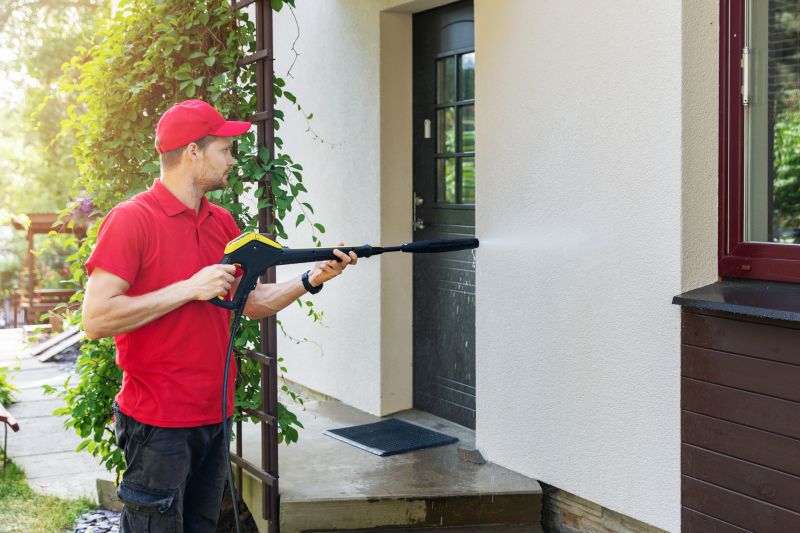
Spring is an ideal time to remove accumulated dirt and grime after winter.
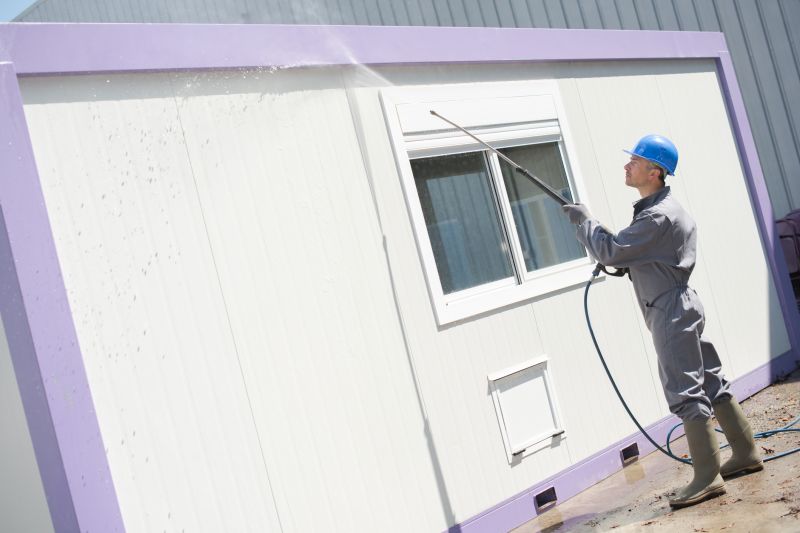
Summer offers warm weather, making cleaning projects more comfortable and effective.
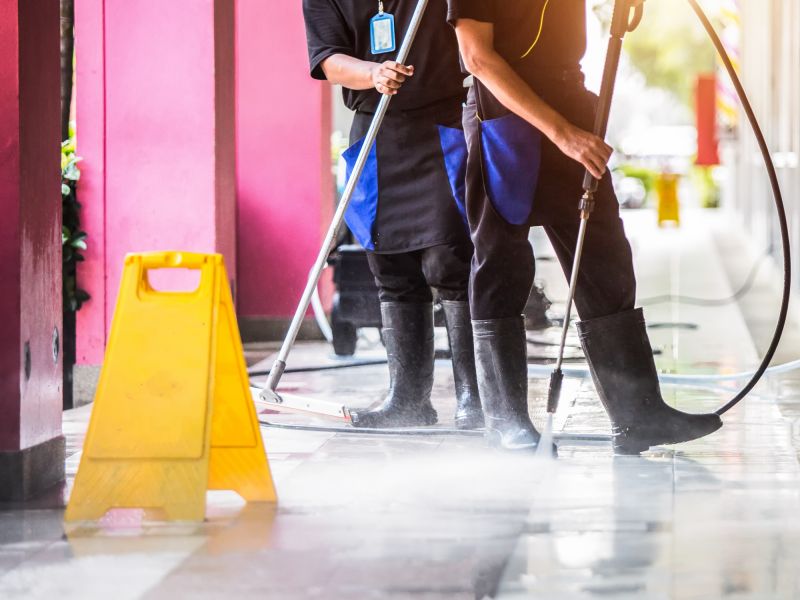
Fall cleaning prepares surfaces for winter and prevents damage from mold and mildew.
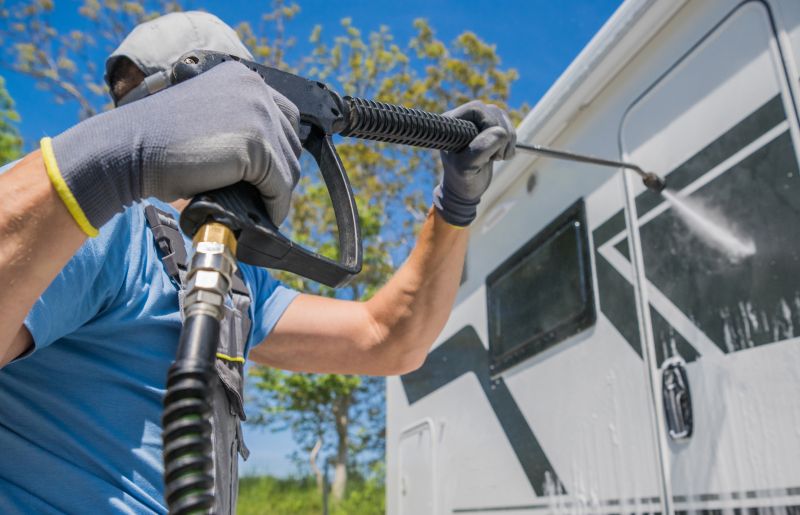
Ways to make Power Washings work in tight or awkward layouts.
Popular materials for Power Washings and why they hold up over time.
Simple add-ons that improve Power Washings without blowing the budget.
High-end options that actually feel worth it for Power Washings.
Finishes and colors that play nicely with Power Washings.
Power washing is a highly effective method for cleaning exterior surfaces, including siding, decks, driveways, and sidewalks. It utilizes high-pressure water to remove dirt, mold, mildew, and other buildup, restoring the appearance and integrity of surfaces. Proper timing of power washings can prolong the lifespan of exterior materials and enhance curb appeal.
Statistics show that regular power washings can extend the lifespan of siding by up to 25 percent and increase property value by improving visual appeal. Conducting power washings during optimal seasons ensures better results and reduces the need for frequent cleanings. Weather conditions, such as avoiding freezing temperatures, are crucial for effective and safe cleaning.
Removing winter grime prepares surfaces for the warmer months and helps prevent mold growth.
Maintaining a clean exterior during summer keeps surfaces in top condition and enhances outdoor spaces.
Cleaning before winter protects against damage from moisture and helps maintain structural integrity.
Scheduling power washings before cold weather reduces the risk of ice damage and surface deterioration.
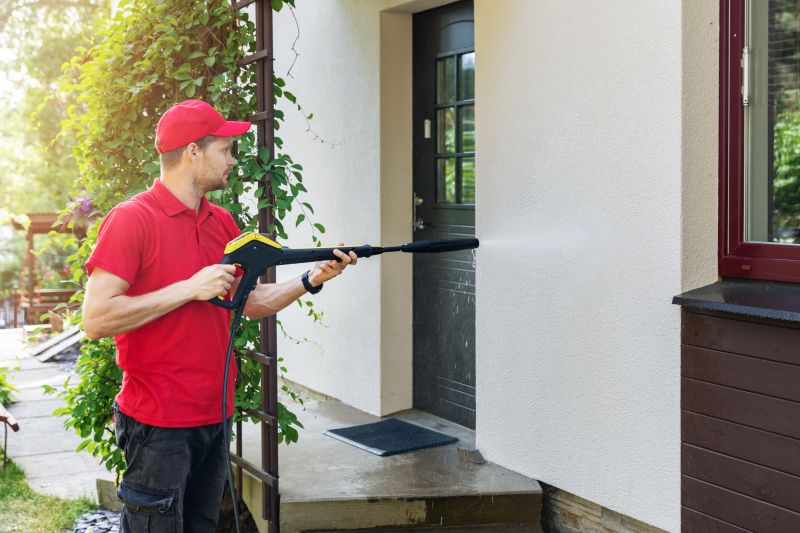
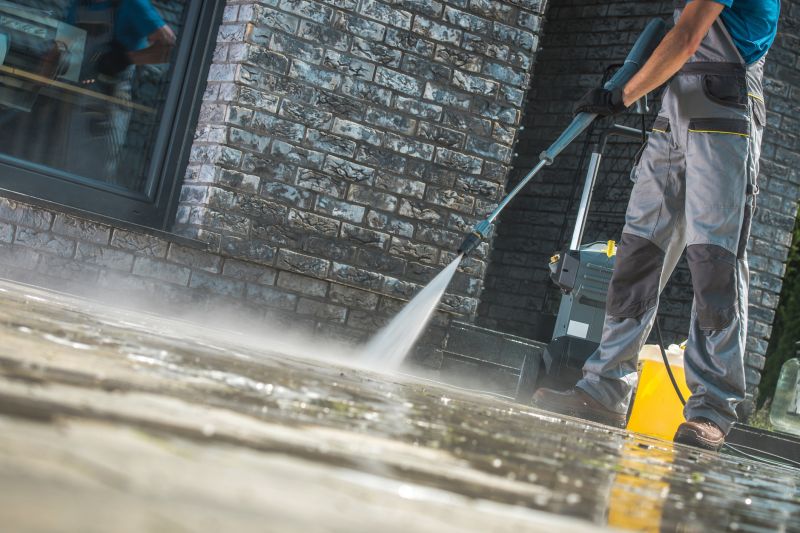
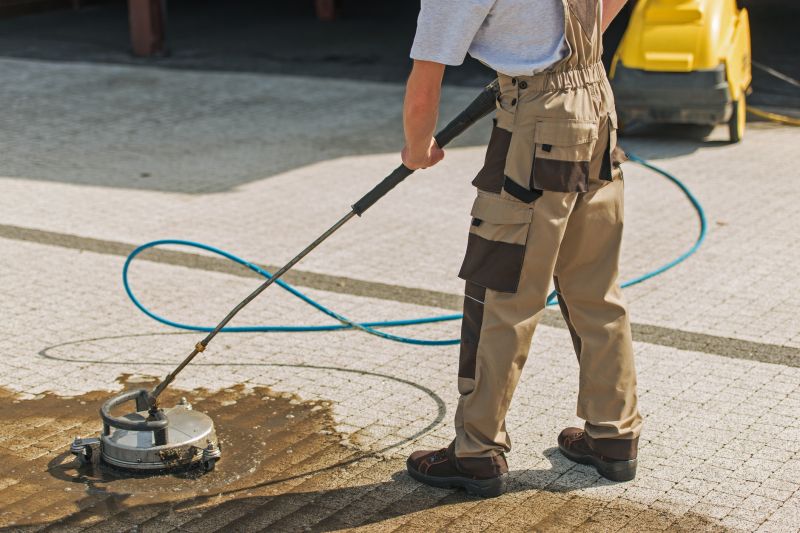
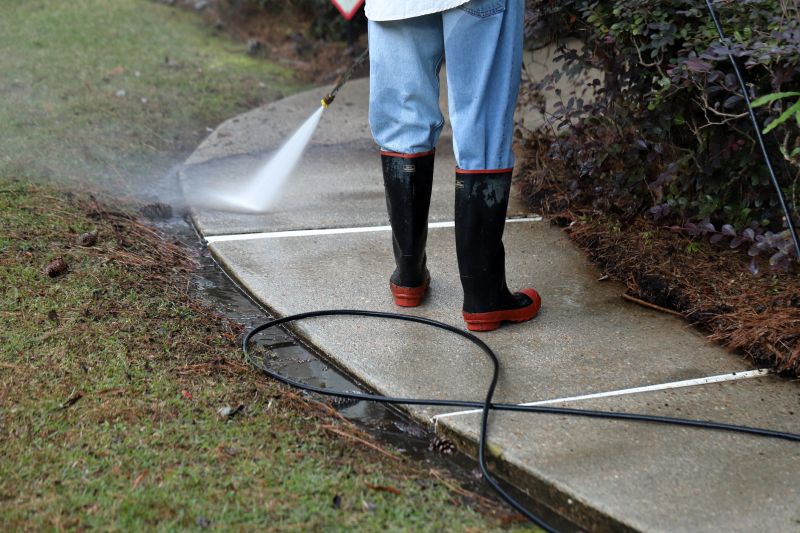
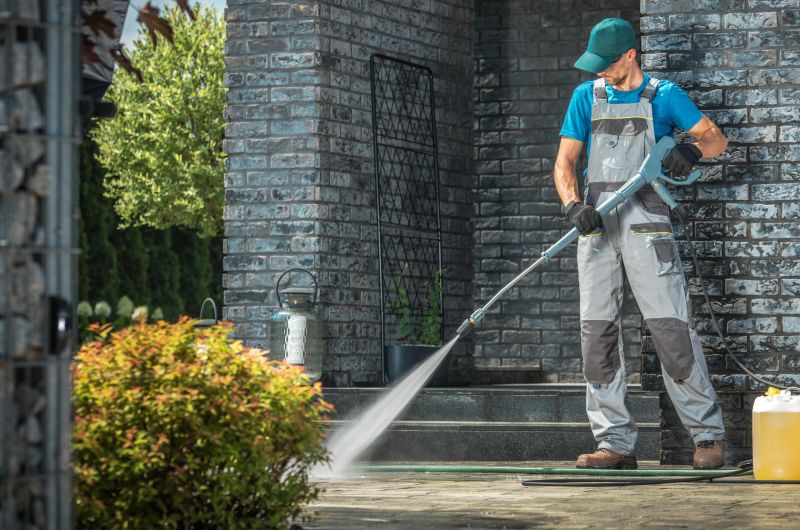
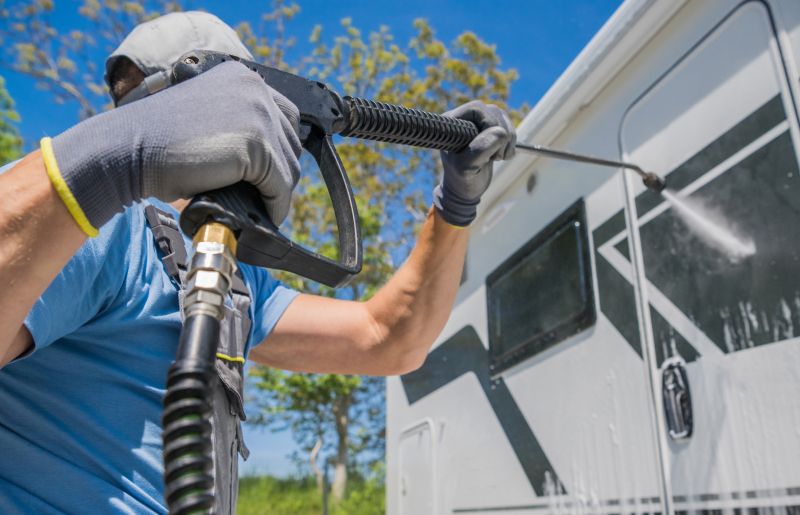
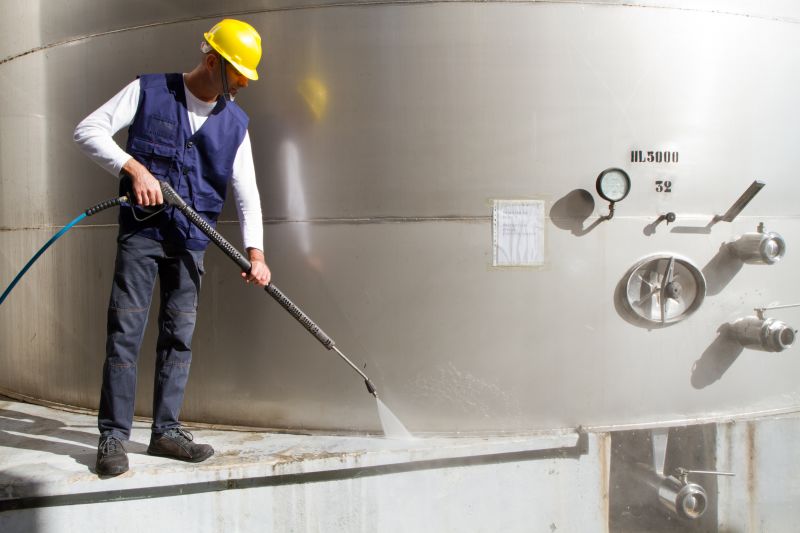
High-pressure washers in action removing dirt from building exteriors.
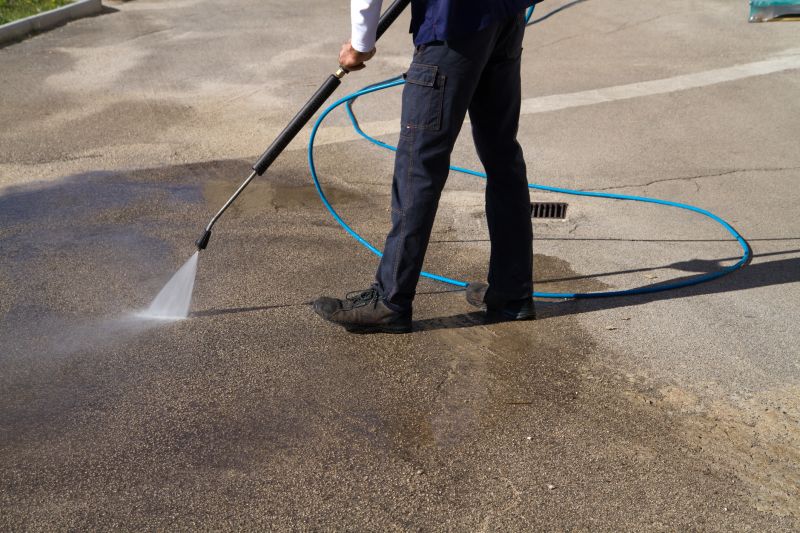
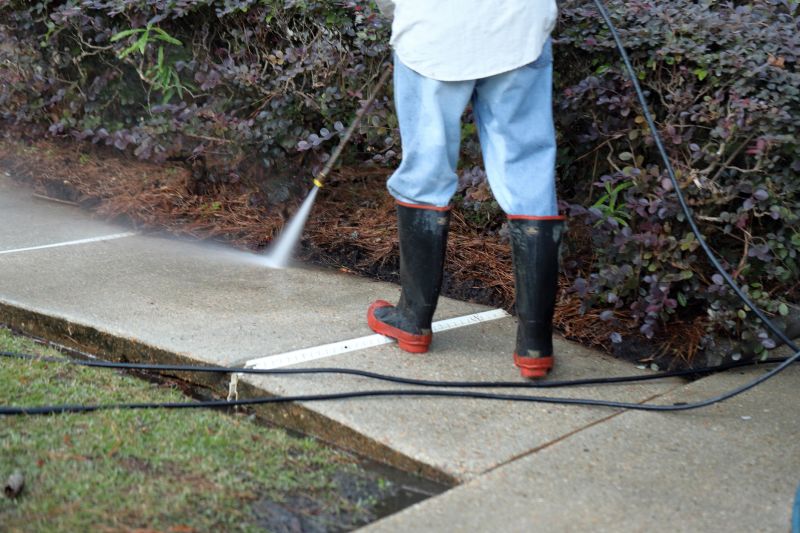
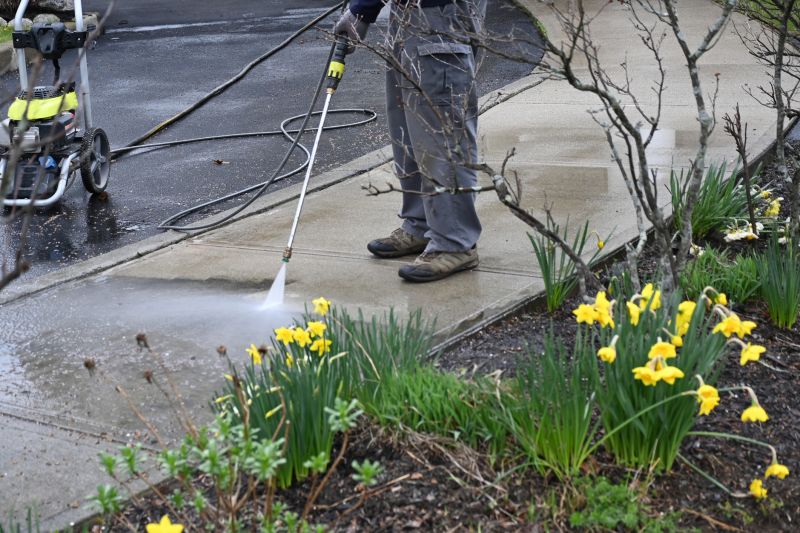
A driveway after power washing, showcasing a fresh, clean surface.
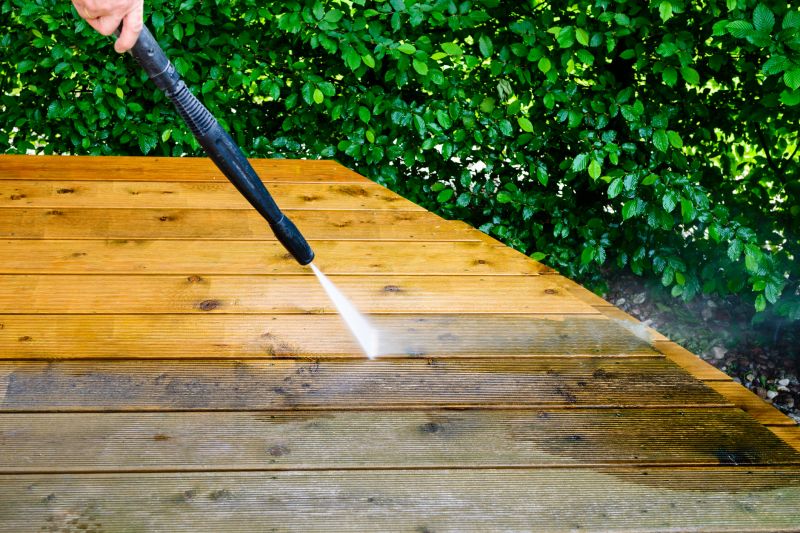
A wooden deck being revitalized through power washing.
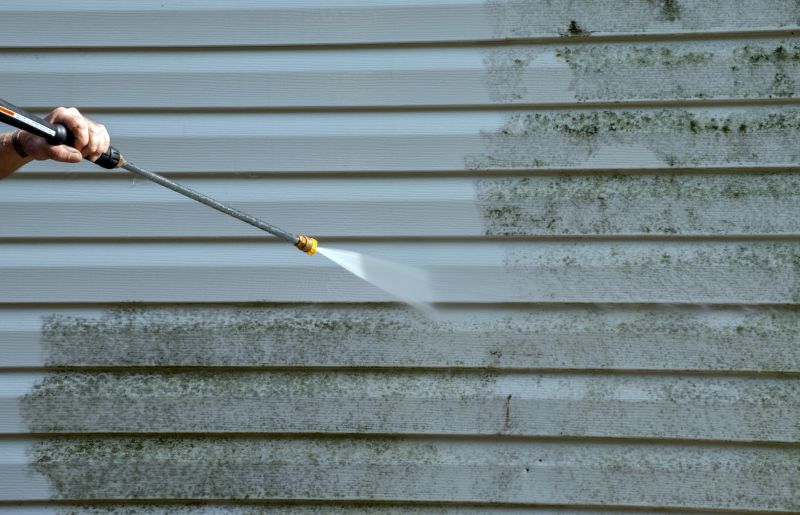
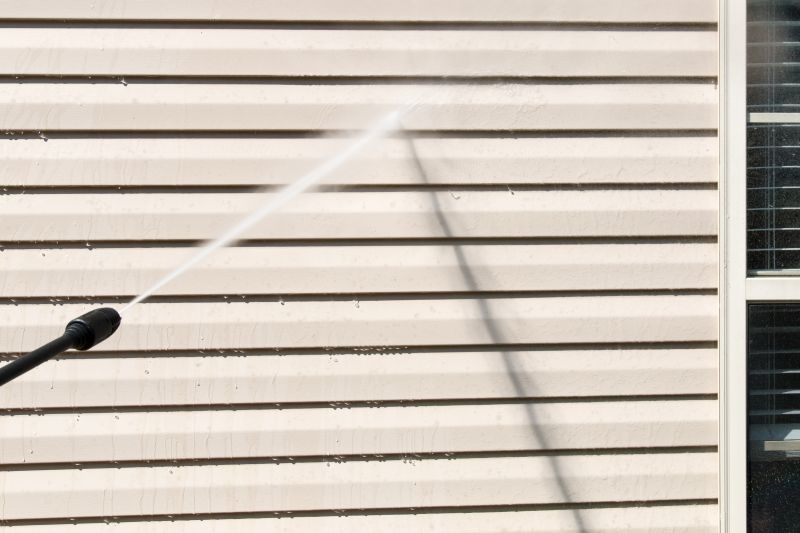
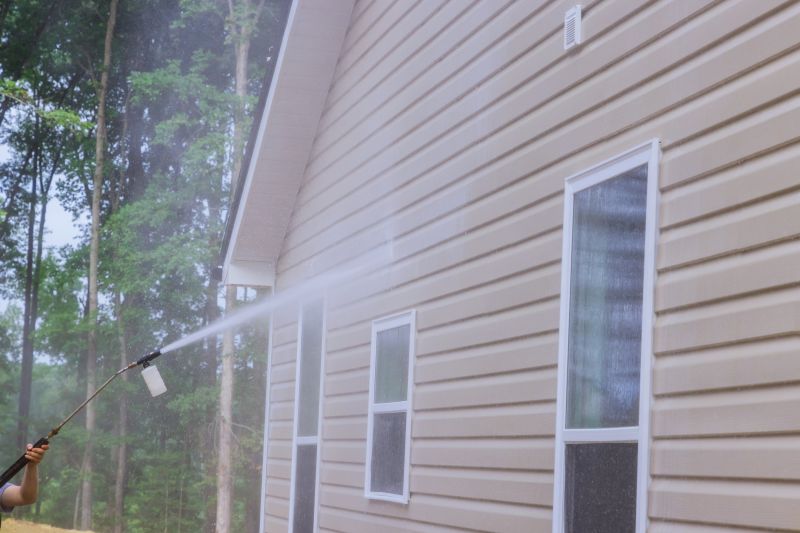
Building siding cleaned to remove mold and grime.
Little measurements that prevent headaches on Power Washings day.
A 60-second routine that keeps Power Washings looking new.
A frequent mistake in Power Washings and how to dodge it.

Small tweaks to make Power Washings safer and easier to use.
| Season | Best Cleaning Time |
|---|---|
| Spring | After winter, before summer |
| Summer | Mid to late summer for maintenance |
| Fall | Before winter sets in |
| Winter | Generally not recommended due to freezing |
Choosing the right time for power washings depends on weather conditions and surface type. Spring and fall are typically the most suitable seasons for exterior cleaning, as temperatures are moderate and weather is conducive to thorough drying. Avoid power washing during freezing temperatures to prevent damage and ensure safety.
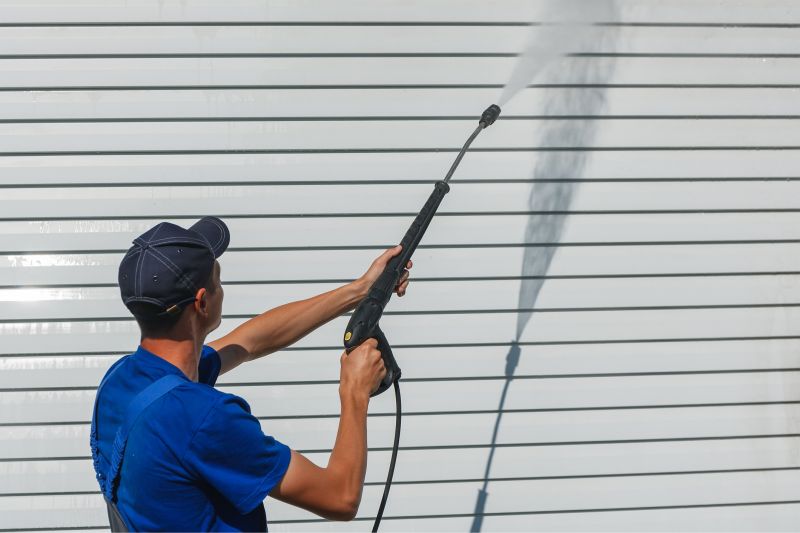
Preparation for summer with a clean exterior surface.
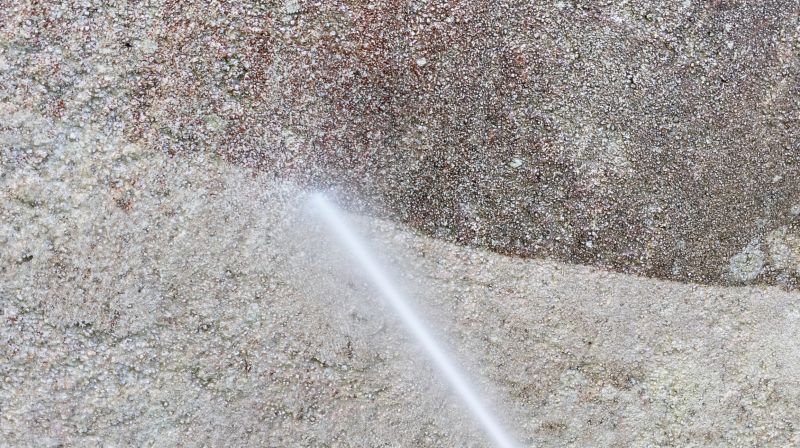
Cleaning surfaces before winter weather begins.
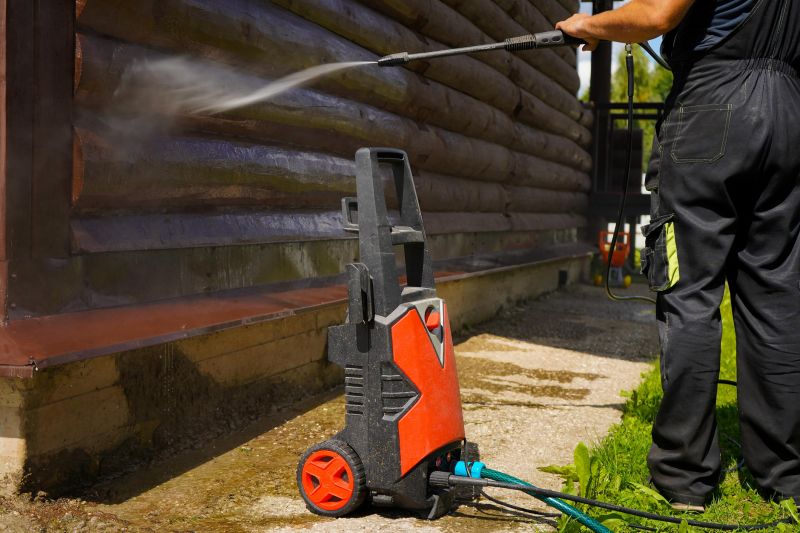
Maintaining exterior cleanliness during warm months.
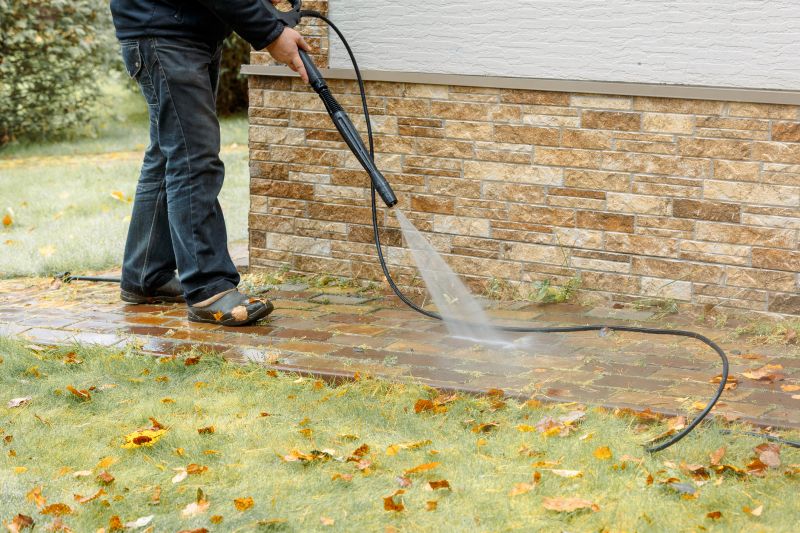
Lower-waste or water-saving choices for Power Washings.
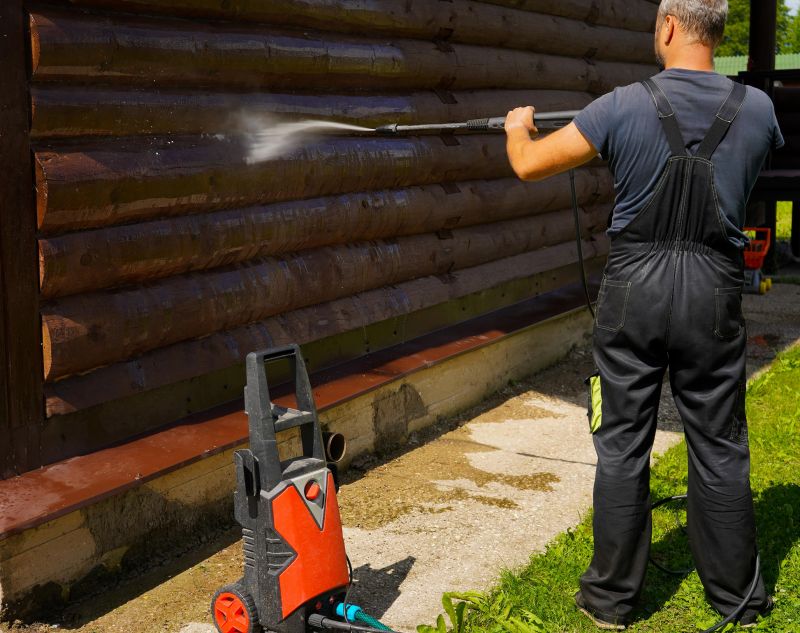
The short, realistic tool list for quality Power Washings.
Rough timing from prep to clean-up for Power Washings.
Quick checks and paperwork to keep after Power Washings.
Examples that show the impact a good Power Washings can make.
Regular power washings during appropriate seasons can help prevent long-term damage caused by mold, algae, and dirt buildup. Scheduling cleaning sessions during optimal weather conditions ensures the best results and prolongs the durability of exterior surfaces.